
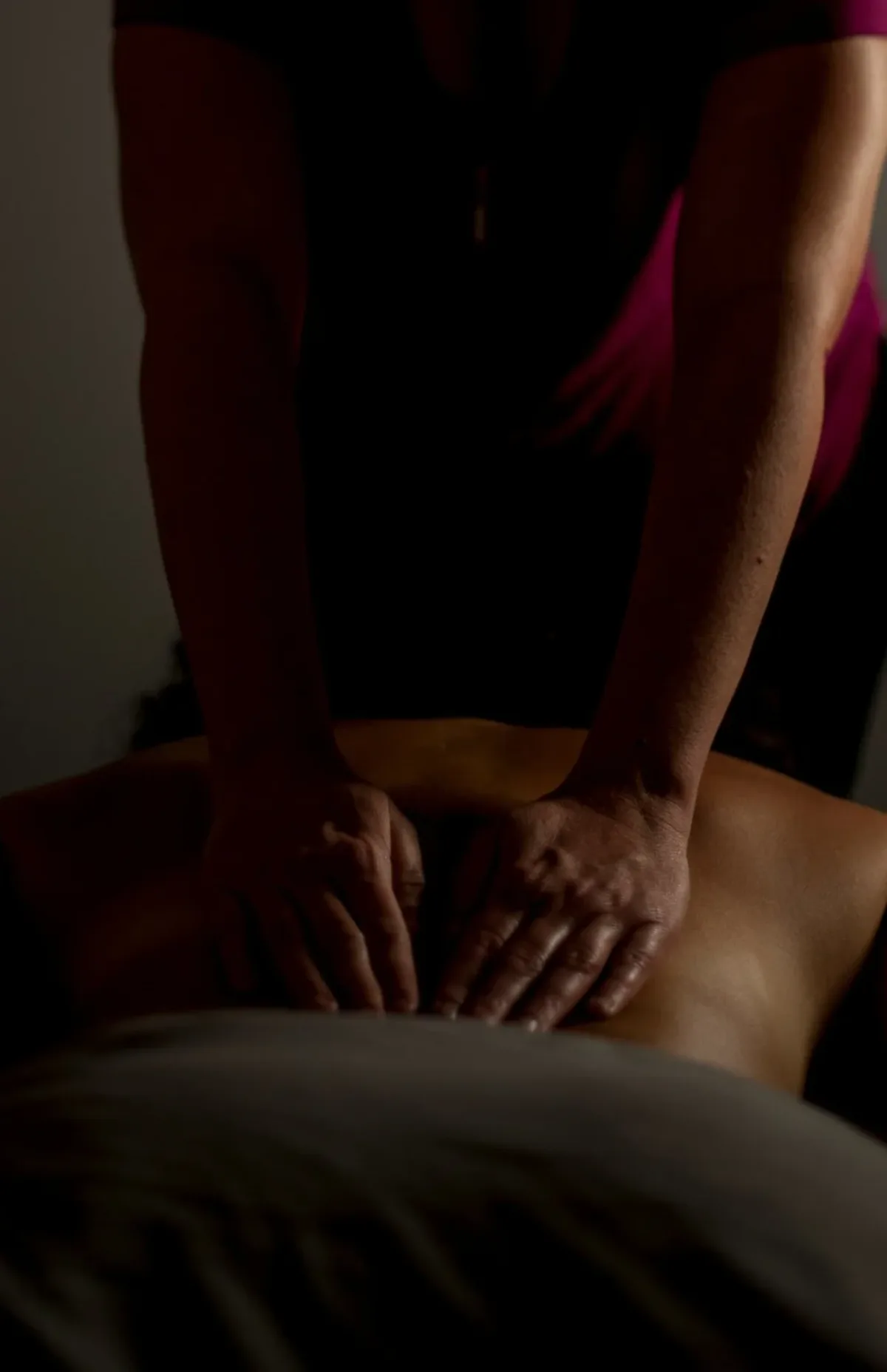
Most people come to lymphatic drainage massage through a referral, a surgeon who wants swelling managed after a procedure, a trainer who noticed recovery slowing down, or a friend who described it as “the one thing that finally helped.” It occupies a different category than the massage most people know. The pressure is lighter, the pace is slower, and the goal is not muscle tissue at all.
What the lymphatic system actually does
The lymphatic system is a network of vessels, nodes, and fluid that runs parallel to the circulatory system. Its job is to collect excess interstitial fluid, the fluid that naturally leaks out of blood capillaries into surrounding tissues, and return it to circulation. Along the way, lymph nodes filter the fluid, removing cellular debris, pathogens, and metabolic waste products.
Under normal conditions this system operates without any noticeable effort. But when it is taxed, whether by surgery, injury, prolonged inactivity, or certain health conditions, fluid can begin to accumulate in tissues faster than it drains. The result is swelling, a sense of heaviness or puffiness, and sometimes reduced range of motion in the affected area.
What manual lymphatic drainage (MLD) involves
Manual lymphatic drainage is a hands-on technique developed to support lymph flow through the superficial network of vessels just beneath the skin. The pressure used is genuinely light, far lighter than most therapeutic massage, because the lymphatic capillaries sit close to the surface and collapse under heavy pressure rather than responding to it.
The therapist works in slow, rhythmic strokes that gently stretch the skin in the direction of lymph flow, typically moving toward the nearest cluster of lymph nodes. Sessions generally begin at the trunk and work outward, clearing the proximal drainage pathways before addressing the area of congestion. The work is methodical and quiet. Patients often describe the experience as deeply calming.
A standard session at Sinar Treatments runs 50 to 60 minutes. Depending on the reason for care, the therapist may focus on a single region, a limb recovering from surgery, the face and neck after a cosmetic procedure, or work the full body for systemic wellness goals.
Who benefits from lymphatic drainage
The clearest candidates are people dealing with fluid that has stalled somewhere it should not be. That covers a wide range:
- Post-surgical recovery. Swelling after orthopedic procedures, breast surgery, liposuction, or body contouring is a normal part of healing. MLD can help move that fluid more efficiently, reducing the duration and intensity of post-operative swelling when cleared by the operating surgeon.
- Post-cosmetic-procedure care. Patients recovering from facelifts, rhinoplasty, Brazilian butt lifts, and similar procedures frequently use lymphatic drainage as part of their recovery protocol. The swelling and bruising that follow these procedures respond well to consistent, skilled MLD work.
- Post-injury edema. Ankle sprains, knee injuries, and soft tissue trauma all produce local swelling that can linger and impair movement. Reducing that swelling more efficiently supports earlier, more comfortable return to activity.
- Athletes managing inflammation. During high training volume, especially before competition, athletes sometimes use MLD to support recovery between sessions. Reducing localized inflammation in overworked tissue can help maintain training quality without the structural downtime of deeper work.
- General wellness and sluggish circulation. Some people notice persistent puffiness in the face, hands, or lower legs that does not have a pathological cause but affects how they feel day to day. Improved lymphatic drainage can reduce that sense of heaviness and support clearer skin and better tissue tone over time.
How a session fits into broader care at Sinar
Lymphatic drainage does not exist in isolation here. We look at it as one layer within a more complete picture of recovery or performance. Reducing soft tissue swelling makes joint mobilization more comfortable and effective. It can make Active Release Technique easier to tolerate in an acutely inflamed area. It complements the chiropractic work when edema around a joint is limiting the quality of an adjustment. For patients working on their nutritional foundation, supporting lymphatic drainage fits naturally alongside anti-inflammatory dietary changes.
For athletic training clients, lymphatic drainage can be scheduled between harder training days as a low-load recovery session that still moves the needle. It asks nothing of the neuromuscular system while addressing the vascular and connective tissue environment that surrounds it.
The lymphatic system does not have a pump the way the cardiovascular system has the heart. It depends on muscular contraction, breathing, and manual stimulation to keep fluid moving. That dependence is exactly why skilled manual drainage makes a measurable difference.
What lymphatic drainage does not do
Honesty matters here. MLD is not a treatment for obesity or a substitute for medical care when a diagnosable condition is driving fluid retention. It will not resolve lymphedema on its own, though it is a component of complete decongestive therapy for that condition. Results vary depending on the underlying cause of congestion, the number of sessions, and the overall health of the person receiving care.
There are also situations where MLD is not appropriate. Active infection or fever, untreated congestive heart failure, acute deep vein thrombosis, and certain cancers are all contraindications. If you have any of these conditions, or are unsure whether your situation qualifies, the right first step is a conversation with your physician rather than a booking.
Lymphatic drainage in Midtown Manhattan
Our practice at 389 Fifth Avenue, Suite 302, sits in the middle of Midtown, close to Bryant Park, the Murray Hill and NoMad neighborhoods, and Grand Central. Patients come from across the city for care that does not feel rushed or generic. Lymphatic drainage here is performed by a skilled member of our care team and is integrated into the same thoughtful, clinical environment as our chiropractic, acupuncture, and rehabilitation work.
If you are recovering from a procedure, managing post-injury swelling, or simply interested in what this kind of care could do for you, we are glad to talk through whether it is the right fit before you commit to a session.