
There is a common pattern that comes into the Sinar office. A patient has been told they have sciatica. They have stretching routines, maybe a course of physical therapy, possibly an MRI that showed something at L4 or L5. The low back pain is mild to absent, but the deep gluteal ache and the pull down the back of the thigh are persistent. Movement helps temporarily. Sitting makes it worse. The hip feels blocked.
This presentation is often not a disc problem. It is more likely piriformis syndrome, a soft-tissue condition where the piriformis muscle, a small but mechanically important hip rotator, becomes restricted and begins to compress the sciatic nerve at the level of the hip rather than the spine.
What the piriformis actually does
The piriformis is a flat, triangular muscle that runs from the sacrum to the top of the femur. It externally rotates the hip when the leg is straight and abducts the hip when it is flexed. The sciatic nerve passes either beneath it or, in a portion of the population, directly through the muscle belly.
When the piriformis becomes hypertonic, chronically shortened and dense, it can compress the sciatic nerve at this level. The result is pain in the deep gluteal area, sometimes radiating down the posterior thigh and into the calf, that is mechanically similar to disc-related sciatica but has a different origin and a different treatment approach.
Why Midtown New Yorkers are particularly susceptible
The piriformis does not work in isolation. It is part of a hip rotator system that becomes stressed when the surrounding muscles are either weak or short. In New York City, the specific environment creates reliable conditions for this pattern:
- Prolonged sitting on subway seats that offer no lumbar or hip support, often with legs crossed or angled
- Extended desk work with the hip held in flexion and internal rotation
- Commutes that include a combination of sitting, standing, and walking in shoes that alter hip mechanics
- Recreational running or lifting without adequate hip rotator and gluteal strengthening
None of these are inherently damaging. But done daily without enough variety or recovery, they load the piriformis unevenly. The muscle shortens, the fascia around it tightens, and the nerve begins to feel the pressure.
How piriformis syndrome differs from lumbar disc sciatica
True sciatica originates from nerve root compression at the lumbar spine, typically a herniated disc at L4-5 or L5-S1 pressing on the nerve where it exits the vertebral column. Symptoms usually follow a dermatomal pattern, meaning the pain, numbness, or tingling corresponds to a specific nerve distribution down the leg.
Piriformis syndrome is a muscular entrapment. The nerve is being compressed by tissue, not bone or disc. Key clinical differences include:
- Deep buttock pain that is the primary symptom, often without meaningful low back involvement
- Symptoms that worsen with sitting, climbing stairs, or crossing the legs
- Tenderness directly over the piriformis when palpated
- Positive FAIR test or similar provocative tests for hip rotator involvement
- An MRI of the lumbar spine that does not explain the symptoms, or where findings are incidental
Differentiating these accurately matters. A patient treated for a disc problem they do not have will not improve, and may go through unnecessary imaging or interventional procedures, while a straightforward soft-tissue condition goes unaddressed.
How Sinar approaches piriformis syndrome
Dr. Ashley evaluates the full mechanical picture before targeting the piriformis directly. Hip rotation range, gluteal activation, sacroiliac joint mobility, and the behavior of the sciatic nerve under provocation all inform the treatment plan.
Care typically includes:
- Soft-tissue release and Active Release Technique targeting the piriformis, external hip rotators, and the local fascia
- Chiropractic adjustments to the sacroiliac joint and lower lumbar spine to reduce compensatory load on the hip
- Neuromobilization when the sciatic nerve is restricted in its ability to glide
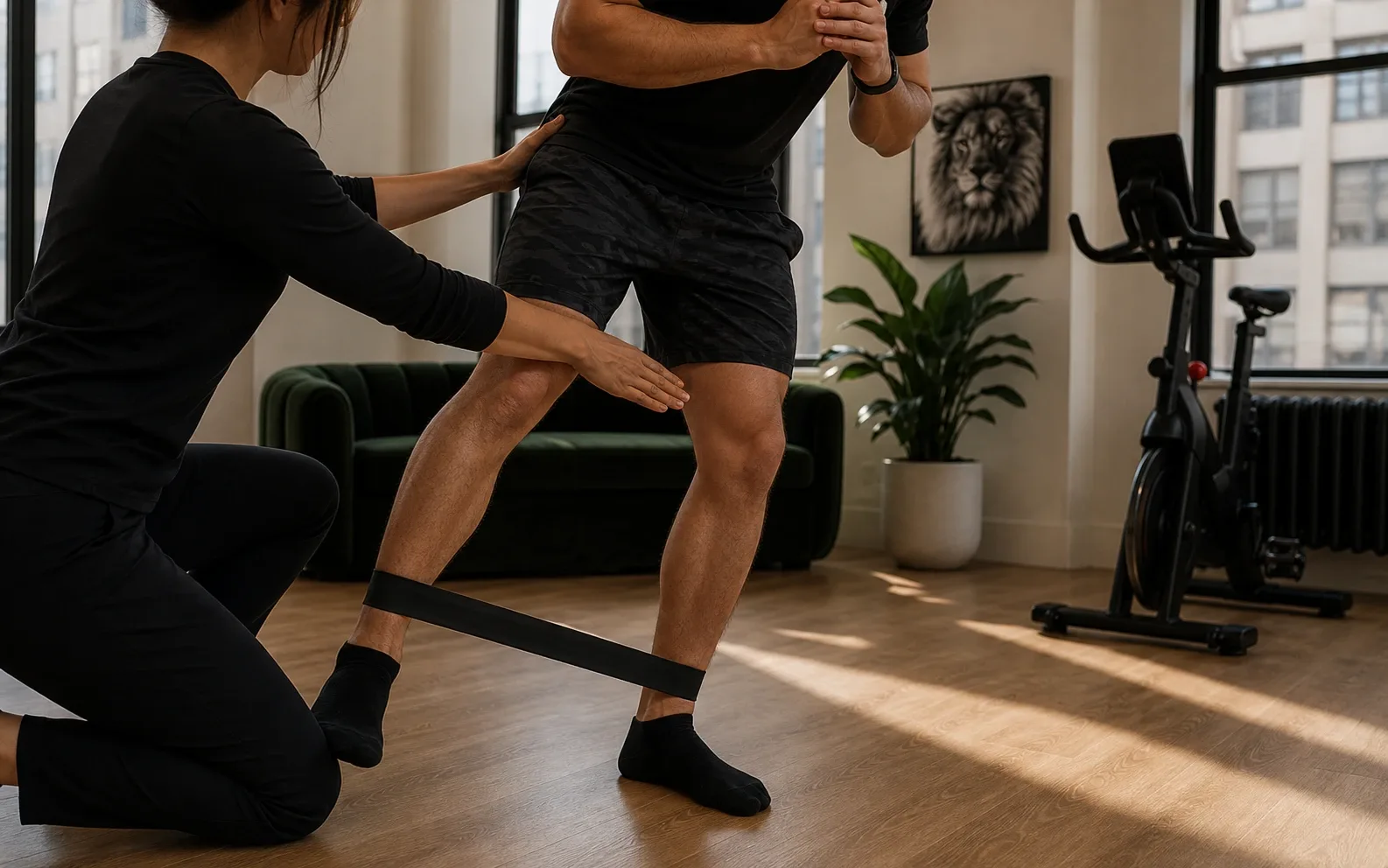
- Specific exercises to strengthen the gluteal muscles and reduce over-reliance on the piriformis during movement
The goal is not just pain relief during the appointment. It is changing the mechanical environment so the piriformis is not under the same constant demand.
When to get evaluated
Consider coming in if you have deep gluteal pain that has not resolved with stretching, if sitting reliably worsens symptoms, or if previous treatment for sciatica has not produced clear improvement. Piriformis syndrome is one of those conditions that is easier to address when caught early rather than after the pattern has been reinforced for months or years.